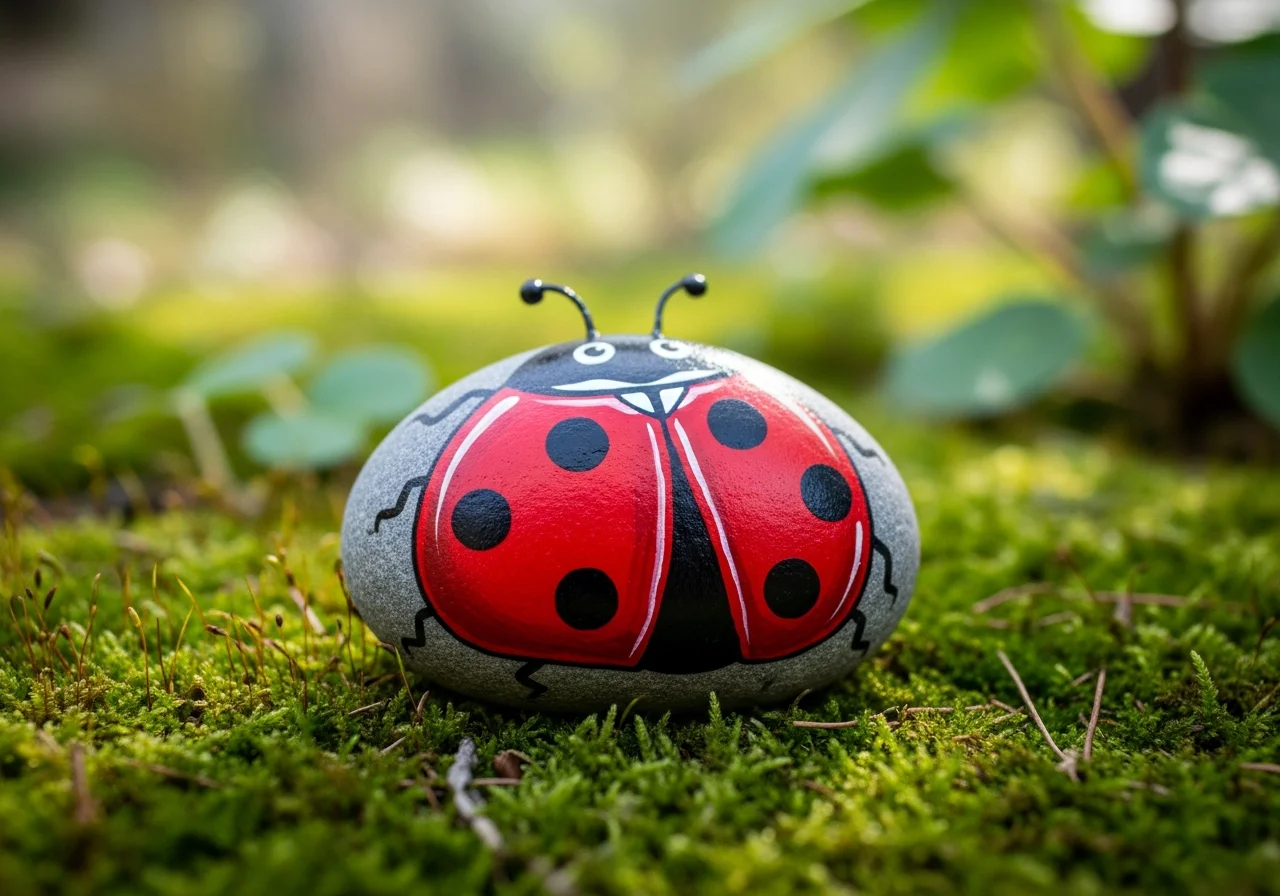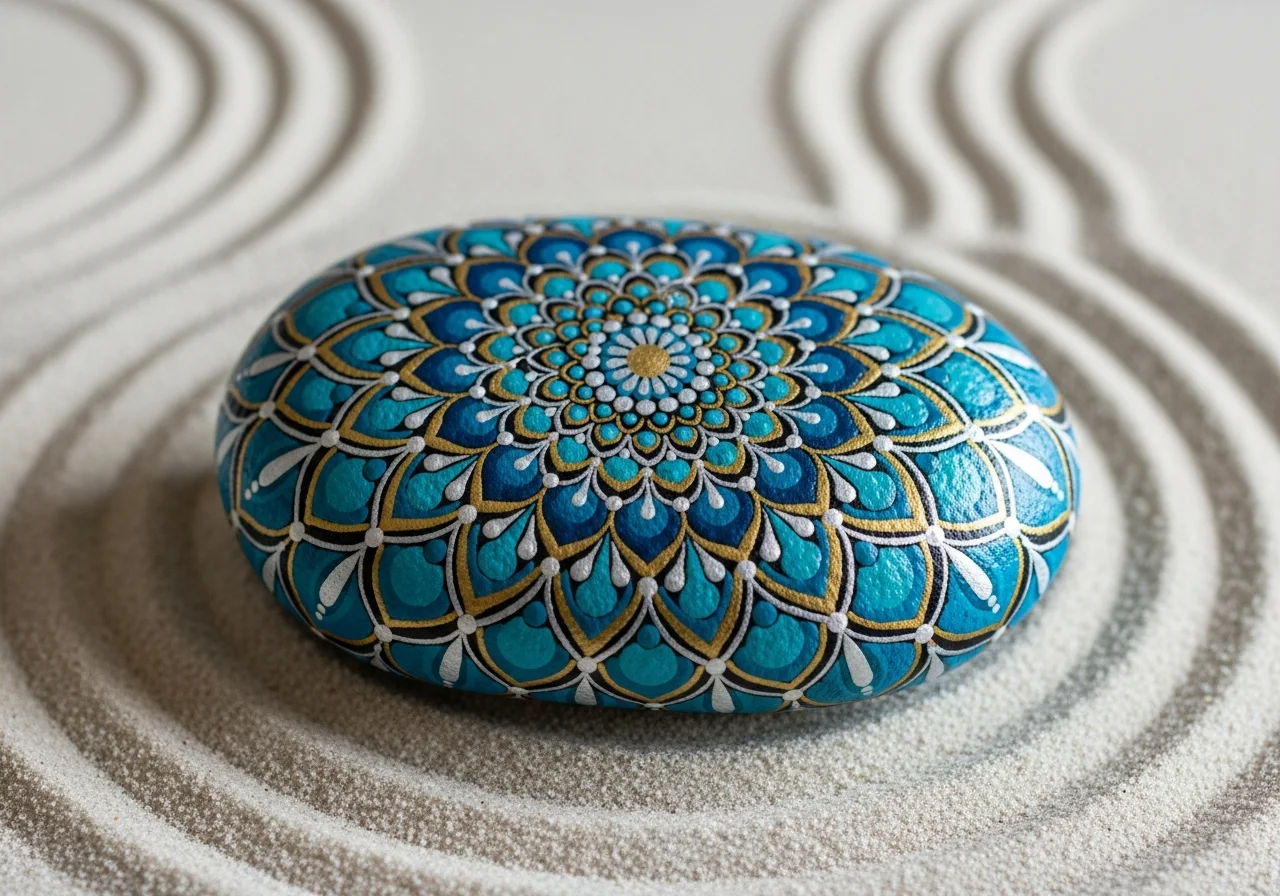

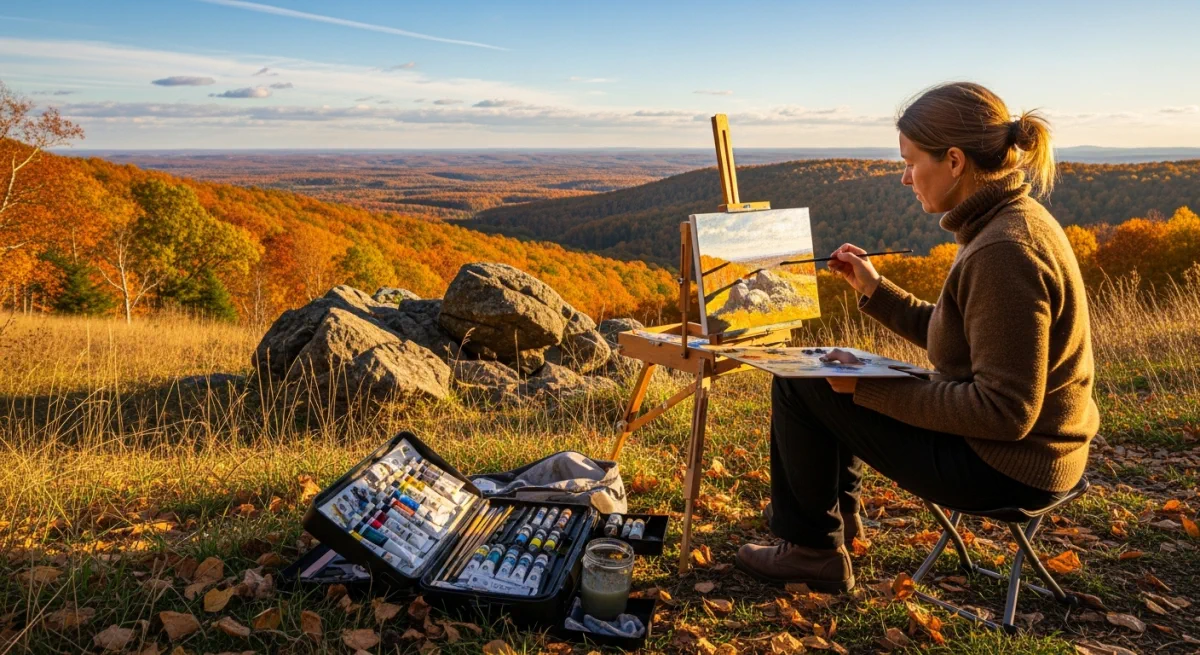
Plein air rock painting - creating stone art directly in nature, inspired by the immediate landscape - is one of the most rewarding and meditative creative practices available to outdoor enthusiasts. Where traditional plein air painters carry canvas and oils, the rock painter needs only a handful of smooth pebbles, a small acrylic palette and a set of brushes. The result is art that belongs to the landscape: finished, hidden and discovered by others who encounter that same beautiful spot.
This guide covers everything you need to know about setting up a portable painting kit, working with natural light, and leaving your plein air creations in their natural home for others to find.
What Is Plein Air Rock Painting?
The term plein air (French for "open air") refers to painting directly from observation of a real outdoor scene rather than working from photographs or imagination in a studio. For rock painters, this means:
- Collecting pebbles from the site you are visiting (where legally permitted).
- Painting designs inspired by what you see around you - the mountain, the forest, the specific flower at your feet.
- Leaving the finished rock in or near the same location so it becomes part of the landscape.
- Registering the rock on RoxGeo so its story begins at the exact coordinates of its creation.

Building a Portable Painting Kit
Weight and packability are the key constraints. Here is a minimal but complete field kit:
- Paints - 6–8 acrylic paint tubes or a travel-size watercolour palette. If using acrylics, choose small 15ml tubes.
- Brushes - 3 brushes: one medium flat, one fine detail, one wide wash brush.
- Water container - A collapsible silicone cup weighing just 20g.
- Palette - A ceramic tile or a mini fold-out plastic palette.
- Rocks - Carry 4–6 pre-collected smooth rocks OR collect them on site where permitted.
- Paper towel - A small piece for brush cleaning.
- Sealant pen - A UV-resistant clear varnish marker for quick sealing on-site.
Everything above fits in a standard 1-litre ziplock bag and weighs under 400g - easily tucked into any daypack.
Working with Natural Light
Natural light is one of plein air painting's greatest gifts. However, it changes constantly, so follow these guidelines:
- Morning light (6–10am): Soft, golden, and directional. Best for warm-toned paintings and detailed work where shadows define texture.
- Midday light (11am–2pm): Harsh and overhead. Colors appear washed out. Rest or explore during this period.
- Afternoon light (3–6pm): Warm again, with longer shadows and richer colors. Excellent for rocks with landscape scenes.
- Overcast light: Even and diffuse - great for fine detailed work without glare or deep shadows.
Landscape Inspiration Techniques
When working from the landscape in front of you:
- Simplify ruthlessly - A rock is small. Reduce a mountain scene to its essential shapes: sky, ridge line, slope, foreground.
- Capture the dominant color - If the autumn forest is orange-gold, let that colour dominate the stone.
- Use a viewfinder - Make a small rectangle with your fingers and use it to frame a composition before painting.
- Work fast - Acrylic dries quickly in outdoor conditions. Use this to your advantage for layered effects.

Leaving Your Art in Its Natural Home
The most beautiful aspect of plein air rock painting is the act of return: painting a scene and then leaving that painting in the scene itself. Before hiding your rock, register it on RoxGeo with the GPS coordinates of your location. The first check-in creates the origin point of the rock's journey - a perfect record of the moment and place of creation.
Consider leaving your rock where it can be easily discovered but not intrude on the natural environment. A rock painted with a waterfall scene left near a waterfall, or a forest fox rock tucked beside a woodland path, creates a moment of magical serendipity for the finder.
Frequently Asked Questions
Can I collect stones from national parks for plein air painting?
Most national parks prohibit removing natural materials including stones. Always check the rules of the specific protected area before collecting rocks. In many parks, you can carry in your own rocks, paint them on site, and leave them - without taking any rocks away from the environment.
Will acrylic paints harm the natural environment?
Cured, sealed acrylic paint is non-toxic and will not leach into soil or water in significant quantities. However, minimise direct water contact during the painting process and clean up any wet paint spills responsibly. Choose eco-friendly, low-VOC acrylics where possible. See also our eco-friendly rock painting guide.