
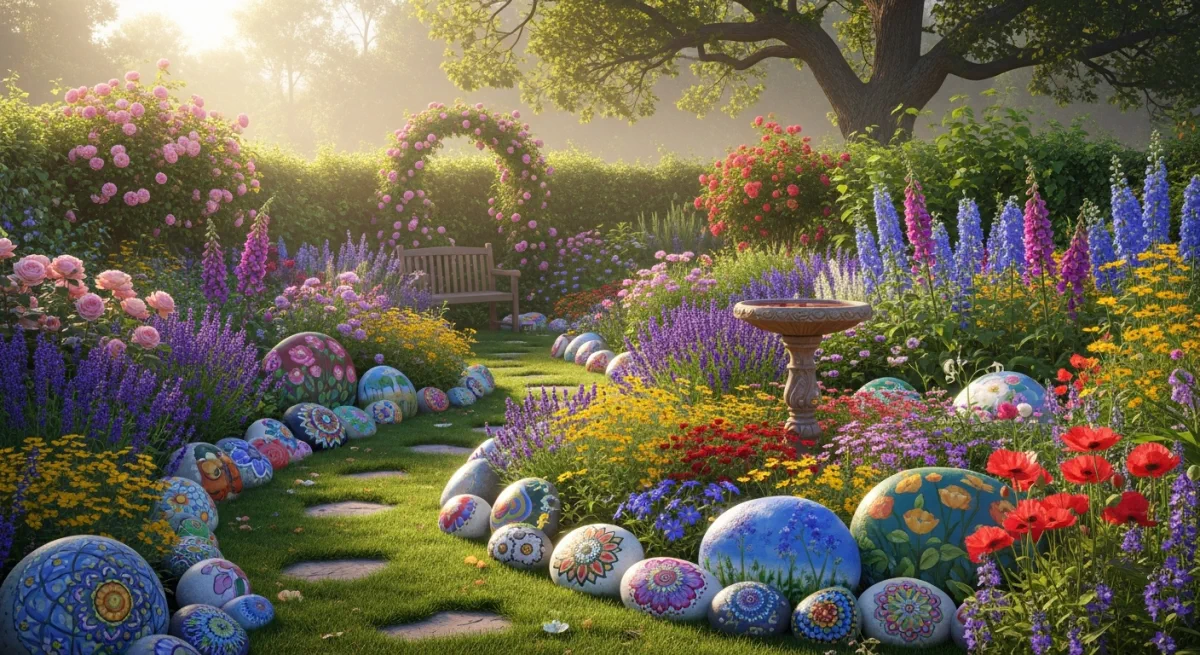
Painted rocks for garden decoration are one of the most charming and cost-effective ways to add personality, colour and character to an outdoor space. Unlike most garden ornaments that are mass-produced and identical, painted garden rocks are handmade originals - each one unique, each one carrying the creative energy of the person who made it.
In this guide, we explore 15 practical and creative ways to use painted rocks in your garden, from practical plant labels to whimsical fairy-tale scenes and bold colour-blocked borders.
Why Painted Rocks Work Beautifully in Gardens
Rocks belong in gardens - they are a natural material that weathers gracefully and improves with age. When you add painted designs, you combine the organic permanence of stone with the joyful expressiveness of art. A painted garden rock:
- Lasts for years with a good outdoor sealant
- Costs almost nothing to make
- Can be personalised to any garden theme
- Delights visitors in a way no shop-bought ornament can

15 Creative Ideas for Painted Garden Rocks
1. Edging and Border Stones
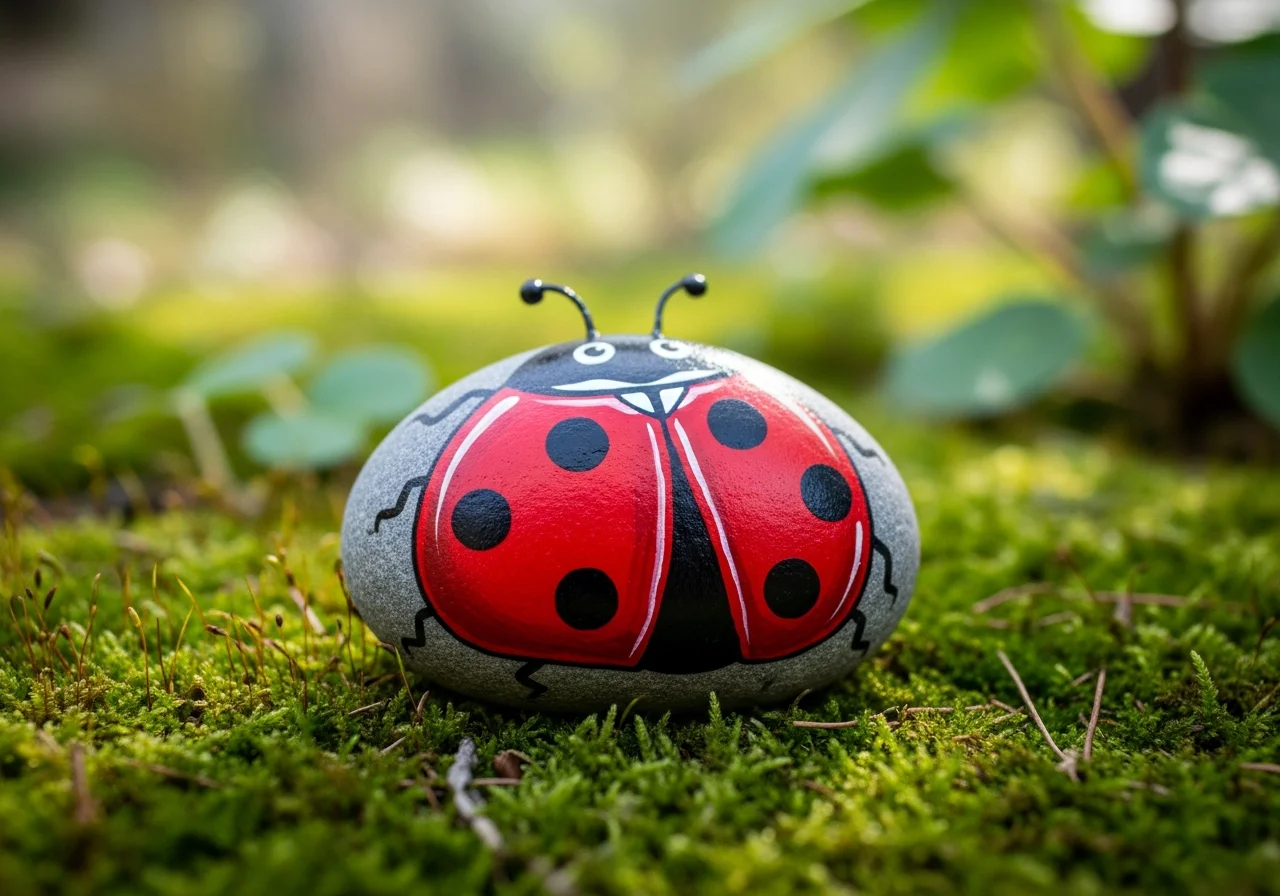
Paint a series of rocks in a coordinated palette - all in one colour family or all with the same type of design - and use them as a decorative border along garden beds or pathways. Ladybirds, bumblebees, flowers and hedgehogs work beautifully.
2. Plant and Herb Labels
Paint the name of each herb or vegetable on a flat stone (using waterproof paint pen) and place it at the base of the plant. Even better: paint a small image of the plant instead of the name - a basil leaf shape, a chilli pepper, a carrot top - making identification immediate even for non-readers.
3. Fairy Garden Centrepieces
Create miniature fairy garden scenes using painted rocks as houses, furniture and creatures. A flat rock painted as a door, another as a tiny window, small round rocks as toadstools with red caps and white spots - the imagination is the only limit.
4. Stepping Stone Accents
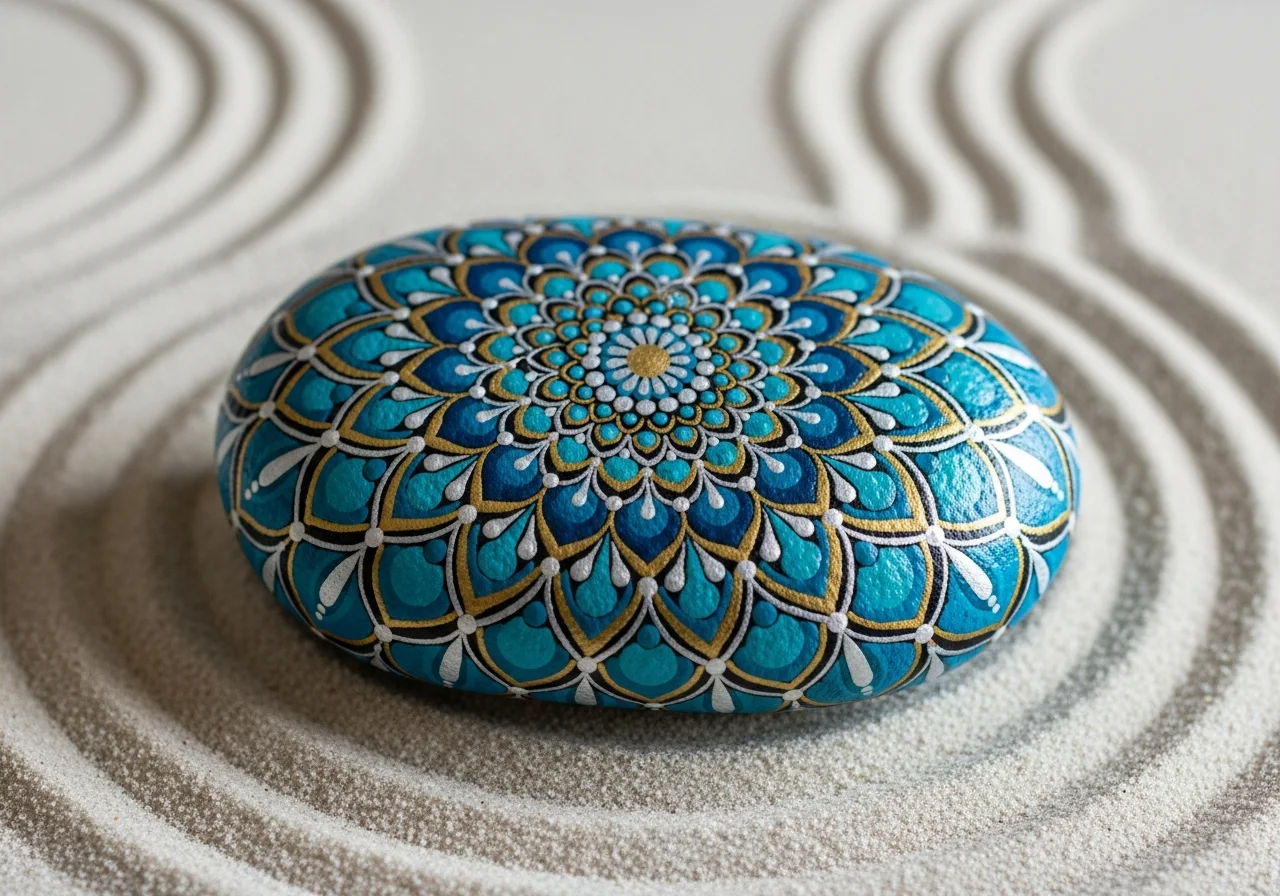
Place large painted rocks between stepping stones to create visual rhythm along a garden path. Paint them in coordinating designs that lead the eye forward - a series of mandalas or geometric patterns.
5. Pot Feet and Markers
Paint three small rocks to act as decorative pot feet under large containers, elevating the pot and adding drainage while looking beautiful. Each rock can display part of a matching design that wraps around the base of the pot.
6. Wildlife Rocks
Place painted animal rocks in habitats that match their subject: a painted frog rock near the pond, an owl rock in the tree border, a hedgehog rock under a hedgerow. These create charming surprise moments for garden visitors.
7. Seasonal Display Rocks
Create seasonal sets of rocks - spring flowers, summer butterflies, autumn leaves, winter snowflakes - that you rotate through the garden as the seasons change. This gives your garden a dynamic, ever-changing character.
8. Mosaic Feature Stones
Collect a dozen similar-sized smooth stones and paint them each as one segment of a larger mosaic image - a sunflower, a rainbow, an abstract mandala - then arrange them together as a ground-level art installation.
9. Children's Garden Rocks
Involve children in painting rocks for the family garden. Their own creations become part of the permanent garden landscape - a visible, lasting contribution that builds pride and ownership of outdoor space.
10. Colour-Coded Planting Zones
Use different coloured rocks to mark different planting zones: blue rocks for perennials, red for annuals, green for vegetables, yellow for bulbs. Functional, beautiful and easy to remember.

11. Memorial Garden Stones
A painted rock with a favourite flower or the name of a beloved pet makes a tender memorial stone in a garden corner. Unlike engraved granite, a hand-painted memorial rock carries warmth, imperfection and love.
12. Sensory Garden Stones
Paint rocks in very different textures and patterns - smooth colour fields, fine dot patterns, bold stripes - to create a sensory garden path where visitors pick up and explore each stone. Particularly meaningful in therapeutic gardens and those designed for children or people with visual impairments.
13. Inspirational Message Stones
Paint a word or short phrase using waterproof paint pens on a beautiful background: Grow, Bloom, Rest Here, Breathe. Place these in the garden's most peaceful spots as gentle invitations to slow down.
14. Water Feature Accents
Place painted rocks at the edge of a garden pond or water feature - frogs, dragonflies, lotus flowers. Sealed outdoor rocks are fully water-resistant and look beautiful next to moving water.
15. Storytelling Trail
Paint a series of rocks that tell a story - a fox, then a tree, then a house, then a bird - placed along a garden path so visitors discover the narrative as they walk. Children love following the trail. This design concept connects naturally with the RoxGeo idea of rocks that tell their own stories of travel and discovery.
Sealing Painted Garden Rocks
For garden use, rocks need more protective sealing than indoor rocks. Apply at minimum two coats of exterior-grade polyurethane or acrylic varnish. Allow 24 hours between coats. Reapply once a year if rocks are exposed to frost or prolonged rain. For maximum protection, apply a UV-resistant topcoat to prevent colour fading in direct sunlight.
Frequently Asked Questions
Will painted rocks fade in sunlight?
Without UV protection, acrylic paints will fade over one to three years in direct sunlight. Use UV-resistant acrylic paints and seal with a UV-protective exterior varnish to significantly extend colour vibrancy. Re-varnish annually for best results.
Is painted rock art safe for wildlife and garden soil?
Properly cured and sealed acrylic paint is environmentally safe for garden use. It does not leach chemicals into soil in significant quantities. Avoid leaving chipped or flaking rocks that could expose bare paint to soil - repaint or reseal regularly.