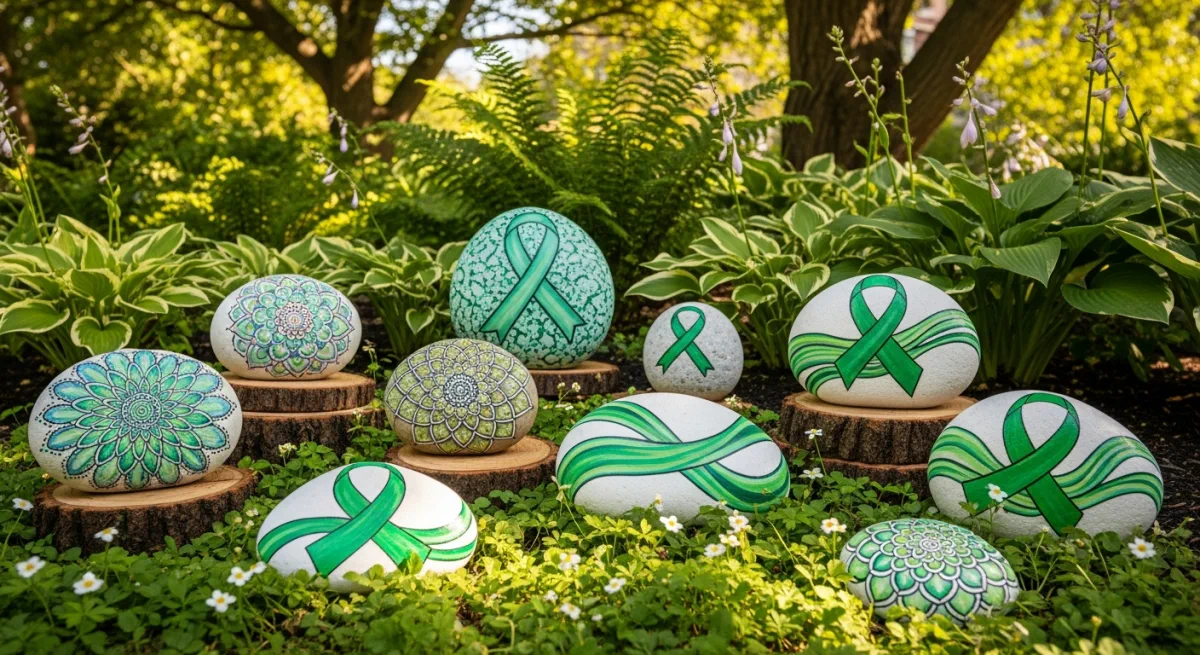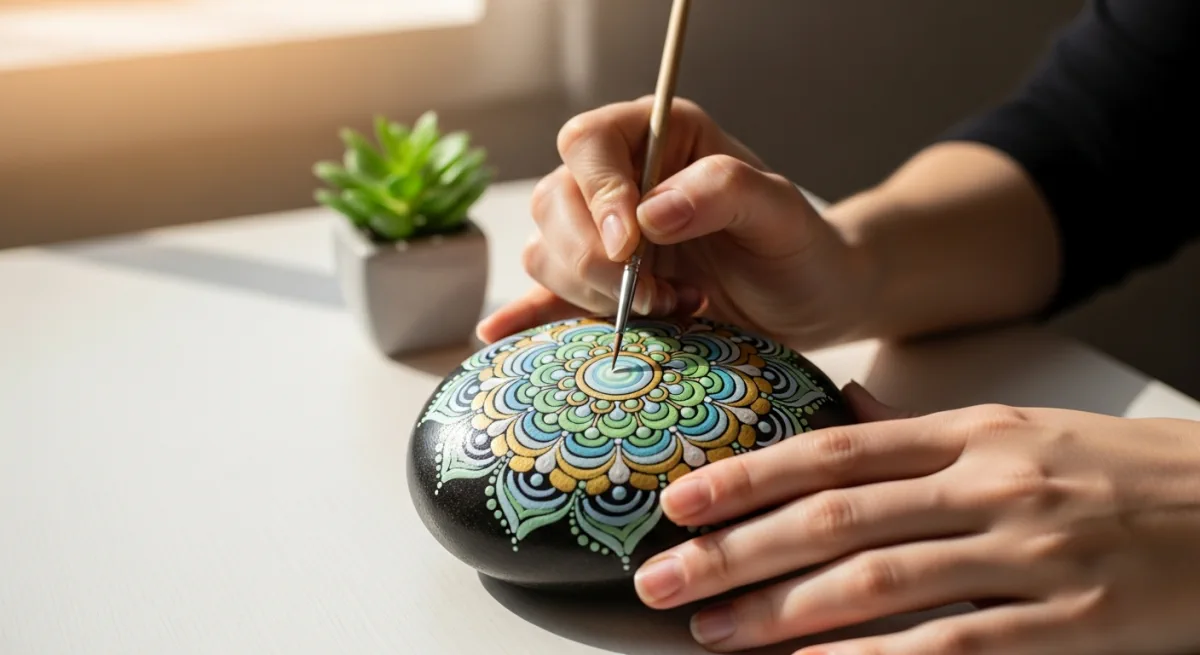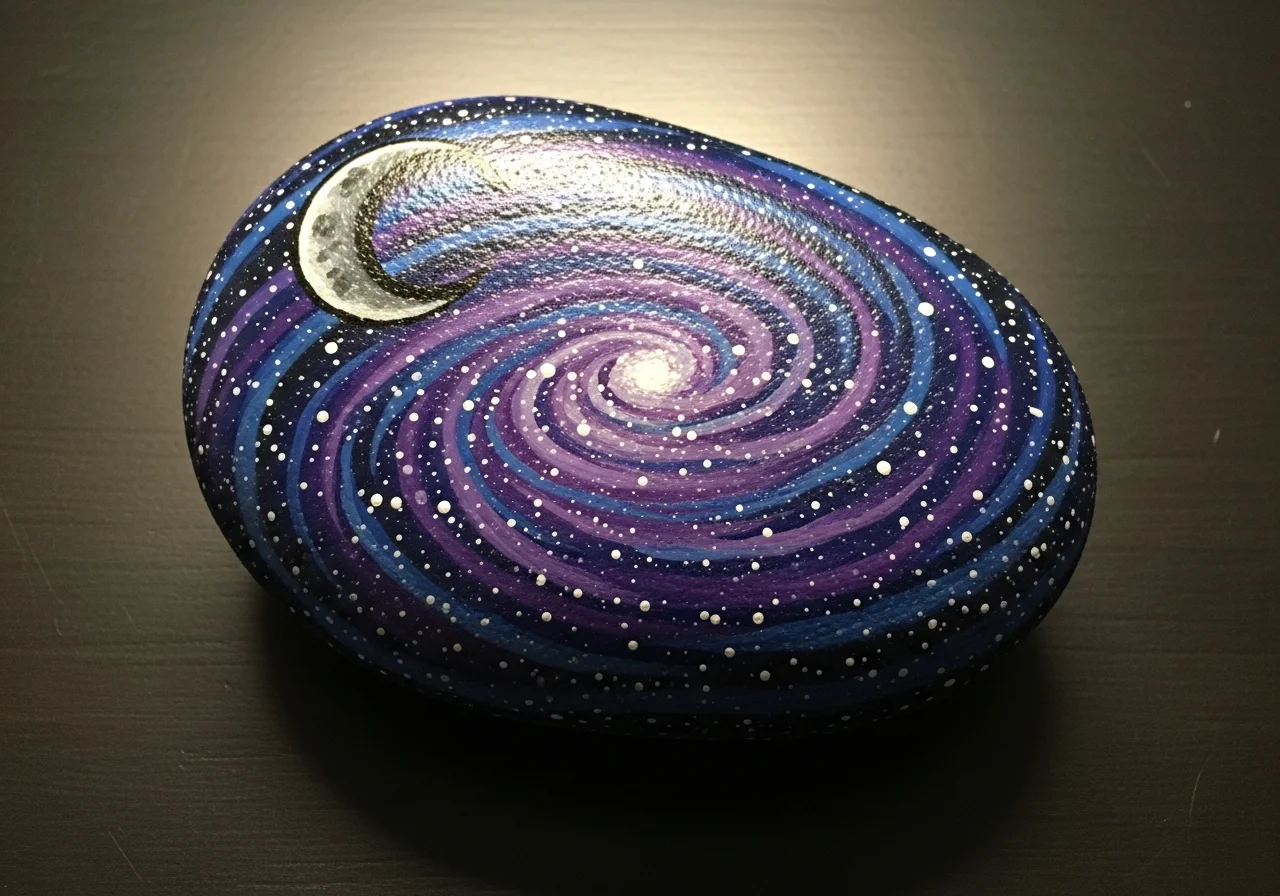


Rock painting in schools is a versatile, curriculum-relevant creative activity that delivers measurable benefits across multiple subjects. It is not just an art lesson - it supports mathematics (symmetry, geometry, pattern), science (minerals, ecology, natural materials), PSHE (community, kindness, wellbeing) and geography (habitats, rocks and landscapes, community mapping). This guide provides a complete framework for integrating rock painting into your school curriculum, with lesson plans suitable for ages 5–16.
Why Rock Painting Works in Educational Settings
Teachers who have introduced rock painting to their classrooms consistently report these benefits:
- Engagement across ability levels - Rock painting has no minimum ability threshold. Every student can produce something of value regardless of academic or artistic achievement level.
- Focus and calm - The tactile, repetitive nature of painting small designs has a demonstrably calming effect on many children, including those with ADHD, anxiety or sensory needs.
- Meaningful outcomes - Rocks that are hidden and found in the community give students a genuine sense that their creative work has real-world impact.
- Cross-curricular connections - The content of the painted design can connect to any subject being studied.

Curriculum Links by Subject
Rock painting connects directly to multiple areas of the national curriculum in the UK (and equivalent curricula internationally):
- Art and Design - Pattern, texture, colour theory, mark-making, craft skills, 3D work
- Maths - Symmetry, geometric patterns, fractions of circles (mandala divisions), measurement
- Science - Rock types and formation, mineral identification, environmental science (where to find rocks, habitats)
- PSHE - Acts of kindness (hiding rocks for others), community belonging, wellbeing through creative practice
- Geography - Local and global community, habitats, landscape drawing
- English - Writing rock-finding narratives, composing messages, creative writing inspired by rock journeys
- History - Remembrance rocks (poppy designs), historical art traditions across cultures
Lesson Plan: Foundation Stage and Key Stage 1 (Ages 4–7)
Objective: Create a colourful rock to hide in the school garden for others to find.
Time: 60 minutes across two sessions.
Materials per child: One smooth stone, 4 colours of acrylic paint, one medium brush, water pot, paper towel.
Session 1 (30 min): Introduce rocks through a sensory exploration - feel the weight, texture, temperature. Discuss colours and what makes a rock easy to spot. Basecoat in one colour. Allow to dry.
Session 2 (30 min): Add a simple second design (dots, stripes, a heart or a smiley face). Allow to dry. Teacher applies sealant after class. Hide rocks in the school garden on Friday afternoon for other classes to find on Monday.
Lesson Plan: Key Stage 2 (Ages 7–11)
Objective: Design and paint a rock linked to a current topic of study. Register on RoxGeo and track where it travels.
Time: 90 minutes across two sessions.
Materials: Smooth stones, full acrylic colour range, fine and medium brushes, dotting tools, sealant spray.
Session 1 (45 min): Design session - students sketch their design on paper first, considering how it will transfer to a curved stone surface. Discuss colour choices and their relationship to the topic. Apply basecoat.
Session 2 (45 min): Paint main design elements. Allow sufficient drying between layers. Teacher seals finished rocks. Register each rock on RoxGeo as a class activity - discuss the idea of community and sharing. Hide rocks in local parks on a class walking trip.

Assessment Ideas
Rock painting can be assessed against multiple criteria:
- Art and Design: Use of colour, pattern development, craft skill, design planning process (sketch to finished rock)
- PSHE: Written or verbal reflection on the act of giving and sharing; discussion of how it felt to hide a rock for a stranger
- English: A short narrative piece about where their rock might travel and what it might experience
- Cross-curricular: Accuracy of representation of the topic being studied in the rock's design
Frequently Asked Questions
What health and safety considerations apply to rock painting in school?
Standard school art health and safety guidelines apply. Acrylic paints used in schools should be non-toxic and water-based. Children should wear aprons. Sealant sprays must only be applied by teachers, outdoors or in well-ventilated spaces. Children should wash hands thoroughly after painting. Pre-test rocks for any chips or sharp edges before distributing.
How do I source smooth rocks for a whole class?
Bulk smooth river pebbles can be purchased from garden centres, landscaping suppliers and online retailers. A 10kg bag typically provides 40–60 suitable rocks for painting at a cost of £5–15. Look for pebbles in the 6–10 cm range - large enough to paint comfortably but small enough to carry and hide easily.