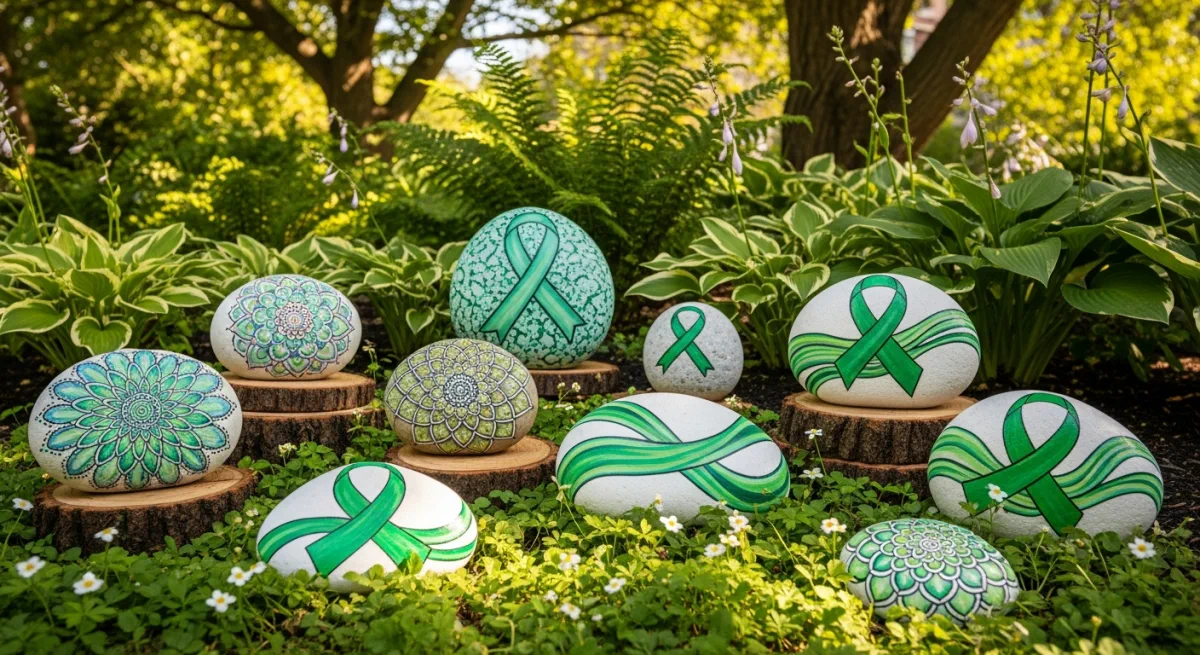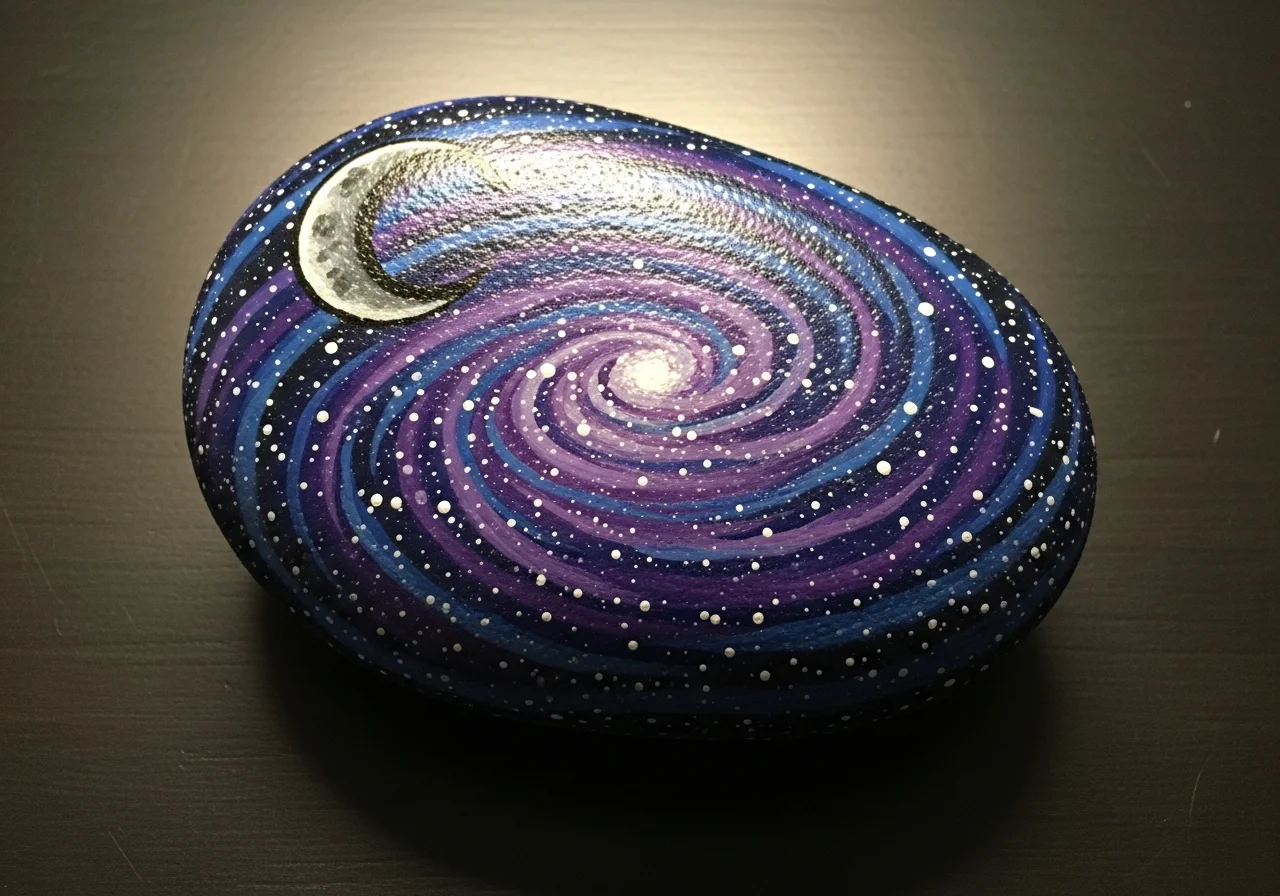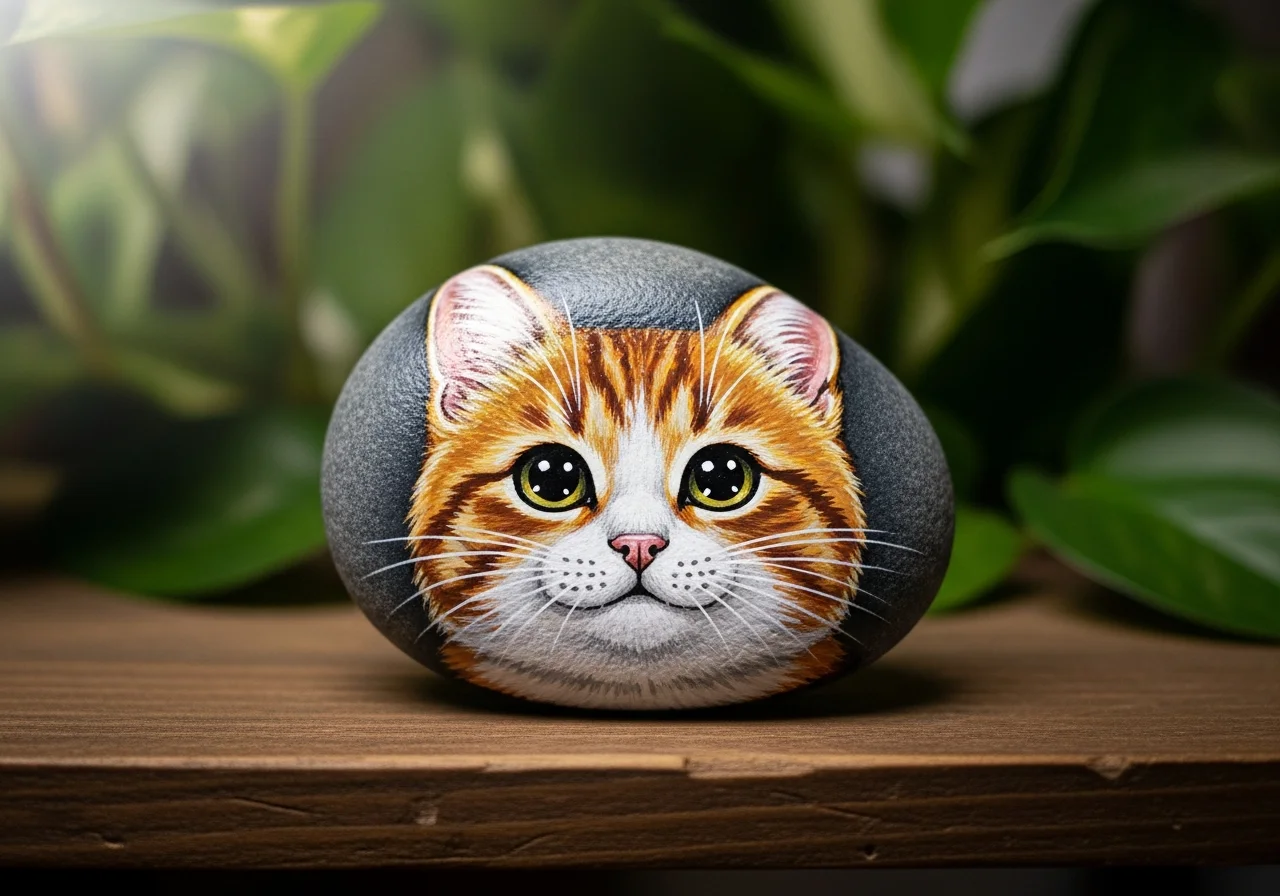

Rock painting for anxiety relief is more than a hobby - it is a proven creative therapy that calms the nervous system and quiets anxious thoughts. Art-making activates the brain's reward pathways, reduces cortisol levels, and draws the mind into the present moment in a way that few other activities can match.
In this guide, we explore the science behind creative art and anxiety, introduce the best design techniques for relaxation, and show how to build a sustainable daily rock painting ritual that supports your mental health.
How Creative Activities Reduce Anxiety
Research published in the Journal of the American Art Therapy Association found that just 45 minutes of creative activity significantly lowers cortisol - the primary stress hormone - regardless of prior artistic experience. Rock painting is particularly effective because it combines:
- Tactile engagement - The weight and texture of a smooth stone provide sensory grounding.
- Focused attention - Deliberate brushwork narrows mental focus, crowding out anxious thoughts.
- Achievable goals - Completing a small painted stone delivers a genuine sense of accomplishment.

Rock Painting as a Sensory Grounding Exercise
Anxiety often pulls the mind toward future fears or past regrets. Sensory grounding - deliberately engaging the five senses - anchors awareness in the present. Rock painting naturally activates three of the five senses:
- Touch - Feel the smooth stone in your palm and the soft bristles of the brush.
- Sight - Watch colour bloom onto the surface as you work.
- Smell - The subtle earthy scent of wet acrylic paint has an oddly calming effect for many people.
Before you pick up a brush, hold the stone for 30 seconds, close your eyes, and notice its weight and temperature. This micro-mindfulness practice resets the nervous system and sets a calm tone for the session.
Calming Colour Palettes
Colour psychology plays a powerful role in emotional regulation. For anxiety relief, choose from these proven palettes:
- Cool blues and aquamarines - Associated with water and open sky, these shades lower heart rate.
- Soft lavenders and lilacs - Linked to calm, rest and contemplation.
- Pale sage greens - Nature-inspired tones that reduce tension.
- Warm sandy neutrals - Earthy, grounding, reminiscent of sun-warmed rock.
Avoid high-contrast neon palettes during anxiety sessions. Save the bright, energising colours for days when you want creativity and uplift rather than calm.
Repetitive Pattern Techniques for Relaxation
Repetitive mark-making is one of the most powerful anxiety-reduction techniques in art therapy. The following patterns are ideal for rock painting:
- Concentric circles - Start from the centre and work outward. The rhythm becomes meditative within minutes.
- Wave patterns - Flowing horizontal lines evoke the ocean and natural breathing rhythms.
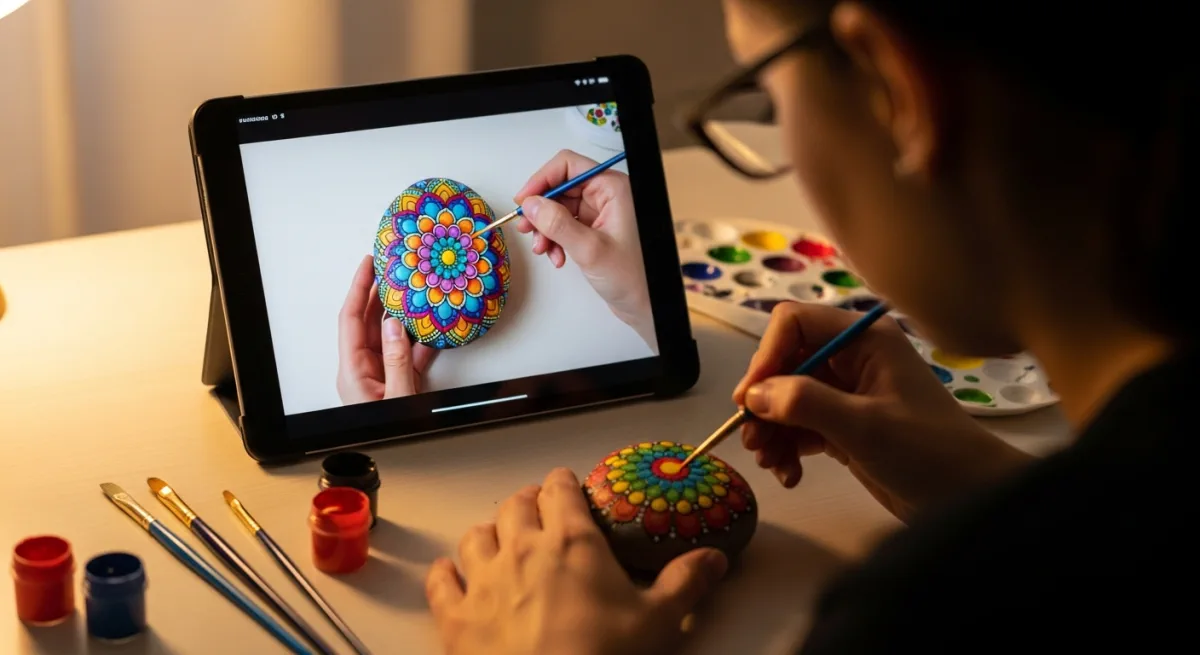
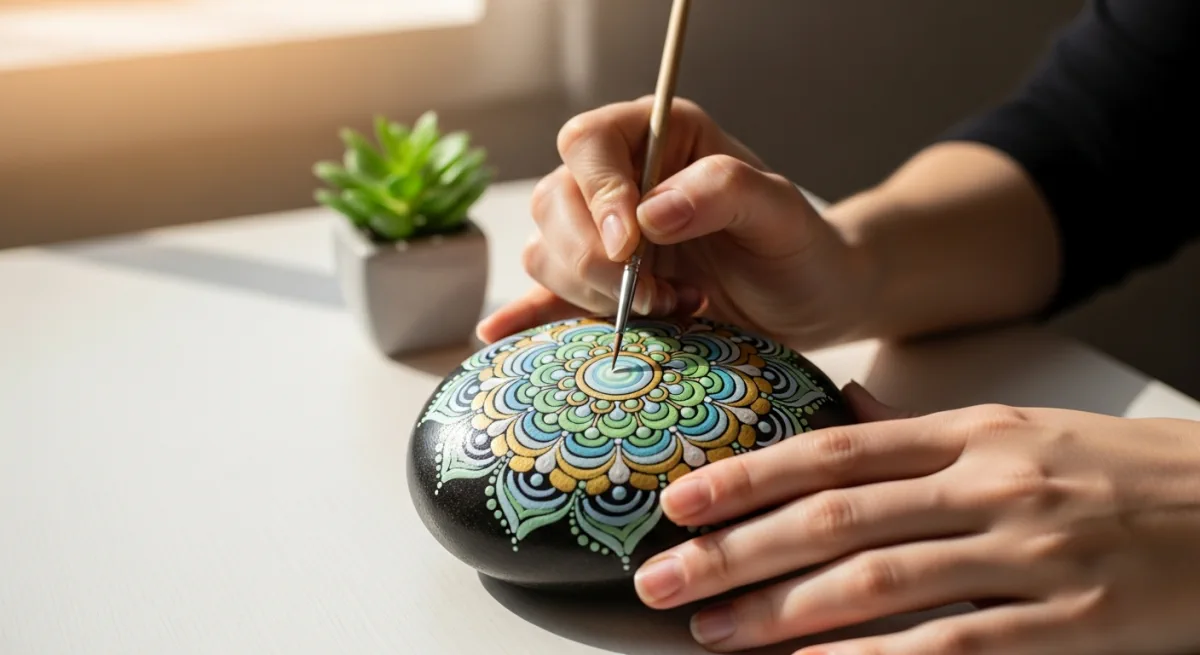
- Dot mandalas - Dotting tool patterns require complete focused attention, making them highly effective at quieting mental noise. See our mandala rock painting guide for step-by-step instructions.
- Hatching and crosshatching - Regular parallel lines are monotonous in the best possible way.

Building a Daily Rock Painting Ritual
A consistent creative ritual is more beneficial than occasional marathon sessions. Try this simple framework:
- Same time, same place - Morning or evening, choose a regular slot and prepare a clean, organised workspace.
- Limit to 20–30 minutes - Short, regular sessions maintain calm without creating performance pressure.
- No phone distractions - Put the phone in another room for the duration of your session.
- Name your intention - Before you begin, quietly say or write what you want to release or cultivate in this session.
- Leave it incomplete - Resist the urge to finish every rock in one sitting. Returning to work in progress maintains the ritual.
Sharing Your Calm with the Community
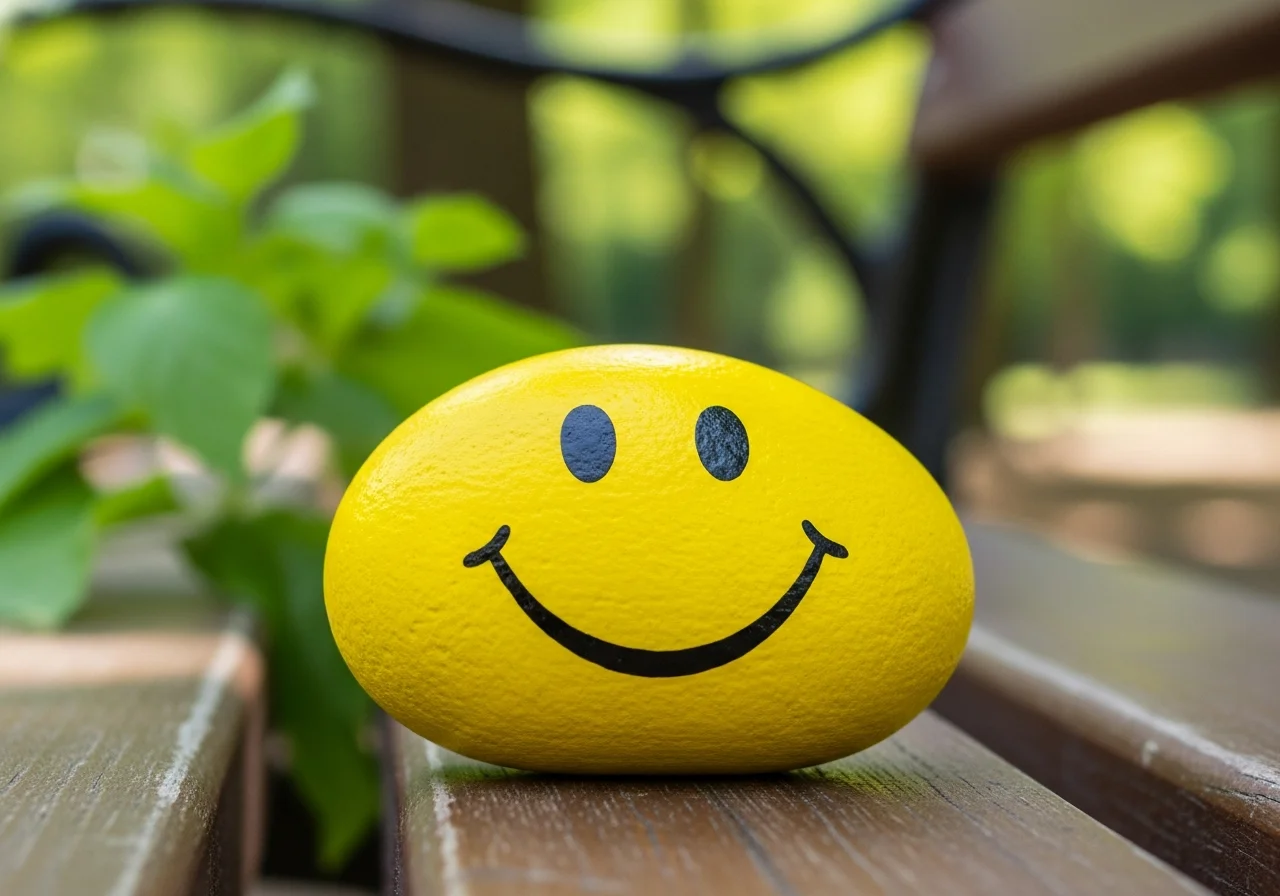
Once you have painted a rock that embodies calm, serenity or a message of hope, consider sharing it through the RoxGeo community. Hide your calming rock in a park, hospital garden or community space where someone who needs it most might find it. The act of giving anonymously adds another layer of therapeutic benefit - research shows that acts of kindness boost the giver's serotonin levels as much as the receiver's.
Frequently Asked Questions
Do I need artistic skill to benefit from rock painting for anxiety?
No. The therapeutic benefit comes from the process of making, not the quality of the result. Imperfect circles and wobbly lines are part of the charm. The goal is calm, not perfection.
How often should I paint rocks for anxiety relief?
Even three sessions per week of 20–30 minutes each can produce measurable reductions in anxiety symptoms over four weeks. Consistency matters more than duration.
Can rock painting replace professional therapy?
Rock painting is a complementary practice that supports, but does not replace, professional mental health support. If anxiety significantly impacts your daily life, please consult a qualified therapist or doctor.