
A rock painting competition is one of the most effective ways to energise a local rock painting community, attract new participants, celebrate creative talent, and raise funds for community causes. When run well, they become annual highlights that participants look forward to throughout the year.
This guide covers everything an organiser needs: from choosing the format and setting rules to judging fairly, awarding prizes, and using RoxGeo to create a post-competition tracking adventure for all entry rocks.
Choosing Your Format
There are three main formats for rock painting competitions:
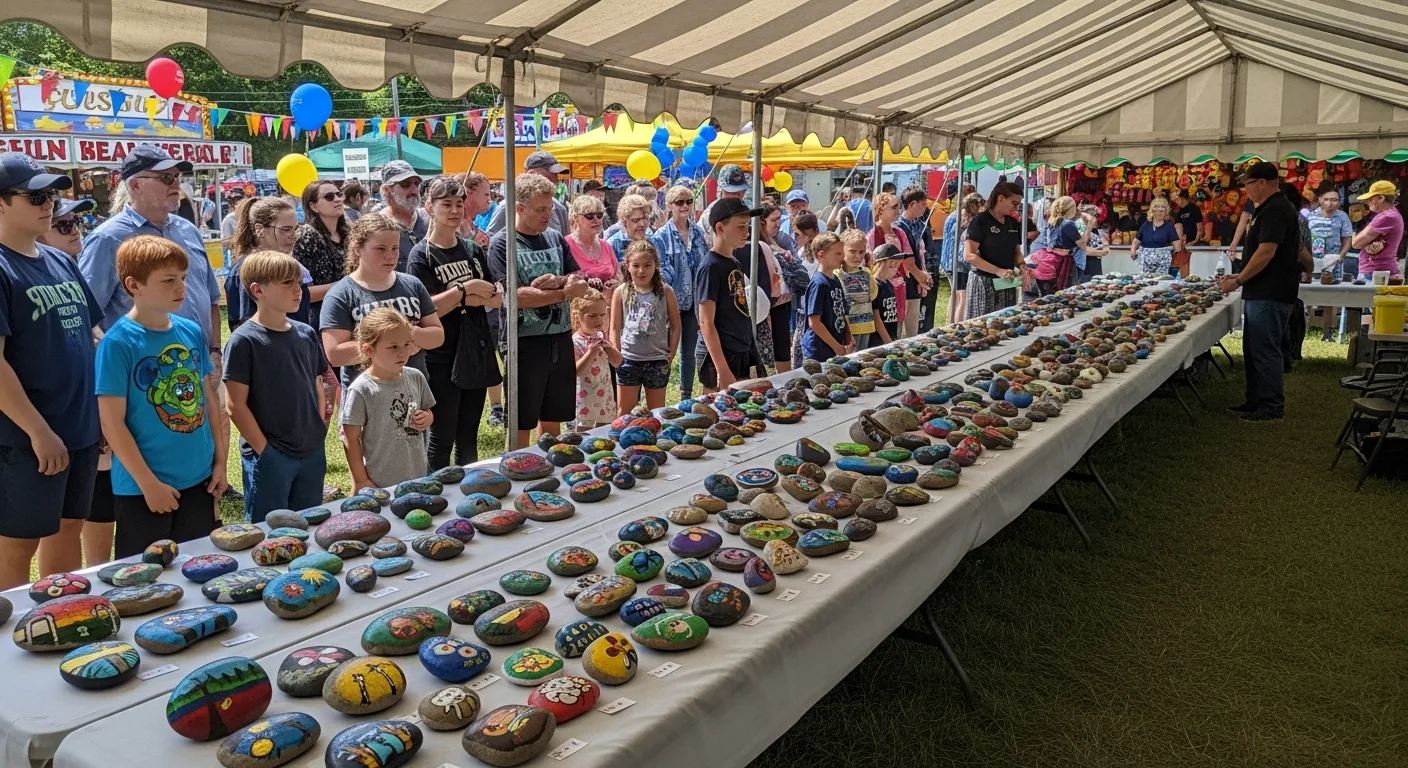
1. Drop-off competition - Participants bring finished rocks to a central location by a set deadline. All rocks are displayed for judging and a winner announced at a public event. Best for large events with 50+ entries.
2. On-the-day competition - Participants paint on the day, with judging happening in real time. This format is more accessible (no advance preparation required) and creates a lively, energetic atmosphere. Best for fairs and festivals.
3. Online competition - Participants submit photos of their painted rocks digitally, with judging and voting conducted online. This allows international participation and is ideal for community groups spread across a wide area.

Categories and Rules
Well-defined categories ensure fair judging and maximum participation. Consider:
- Age categories - Under 7, 7–12, 13–17, Adult, Senior (65+)
- Theme categories - Nature, Animals, Abstract, Seasonal/Halloween, Miniature (rocks under 5cm), Landscape
- Technique categories - Freehand, Dot art, Mandala, Pour painting
Essential rules to define in advance: stone size limits, paint type restrictions (acrylic only? any media?), whether stencils are permitted, original designs only or reproductions allowed, and whether the rocks must be sealed.
Judging Criteria
Use a scoring rubric to ensure consistent, objective judging. Score each entry on:
- Creativity/originality (0–10) - How unique and inventive is the design?
- Technical execution (0–10) - How well is the chosen technique executed?
- Use of colour (0–10) - Are colours used effectively and harmoniously?
- Finish and presentation (0–5) - Is the rock neatly finished and well-sealed?
Use three judges for fairness and average the scores. Brief judges beforehand on applying criteria consistently across entries regardless of subject matter.

Prizes
Prizes do not need to be expensive to be motivating. Effective prize options include:
- Art supply prizes: a quality brush set, professional acrylic paint set, or premium sketchbook
- Vouchers for local art supply stores
- Custom ribbons, medals, or certificates of achievement
- Feature in the community's social media pages
- A trophy painted rock created by a community artist, specifically for the winner
Post-Competition: The Tracking Adventure
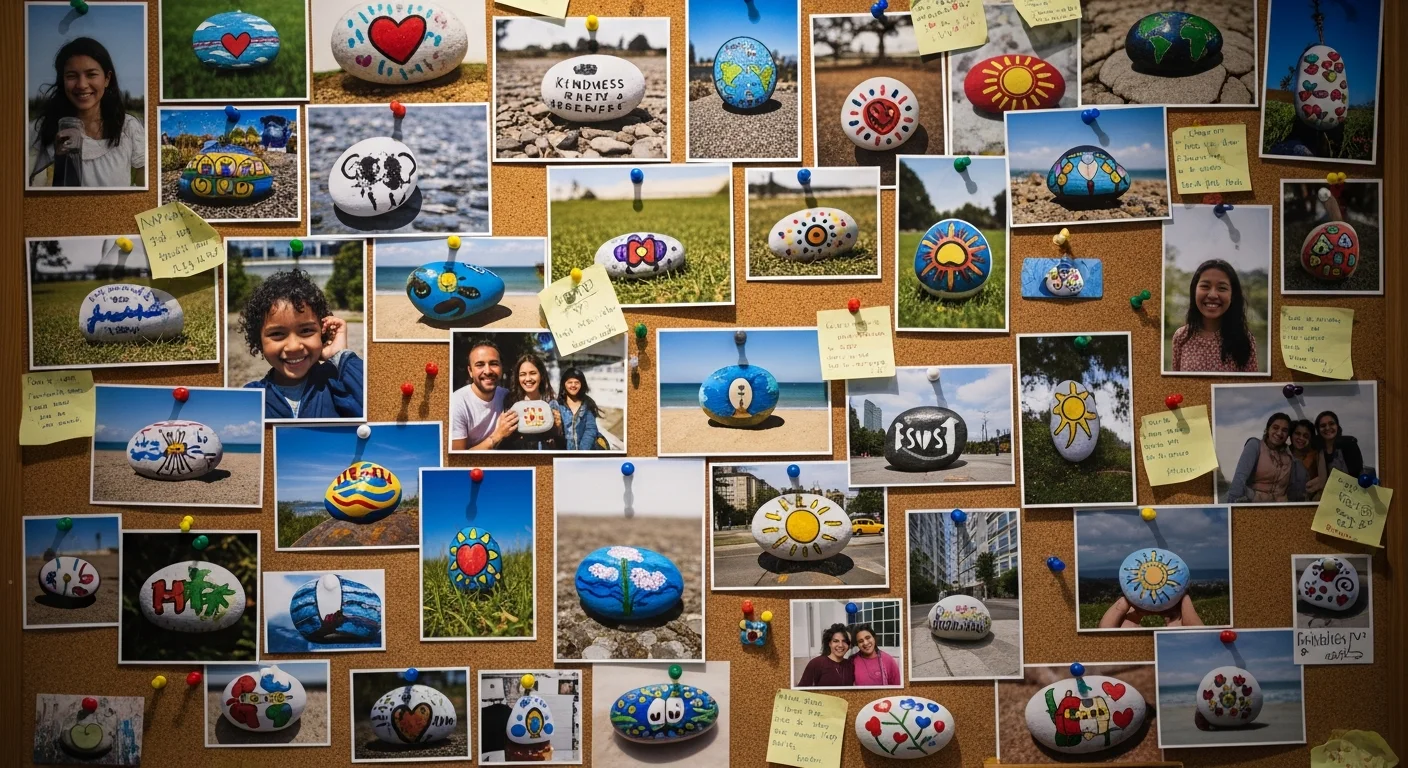
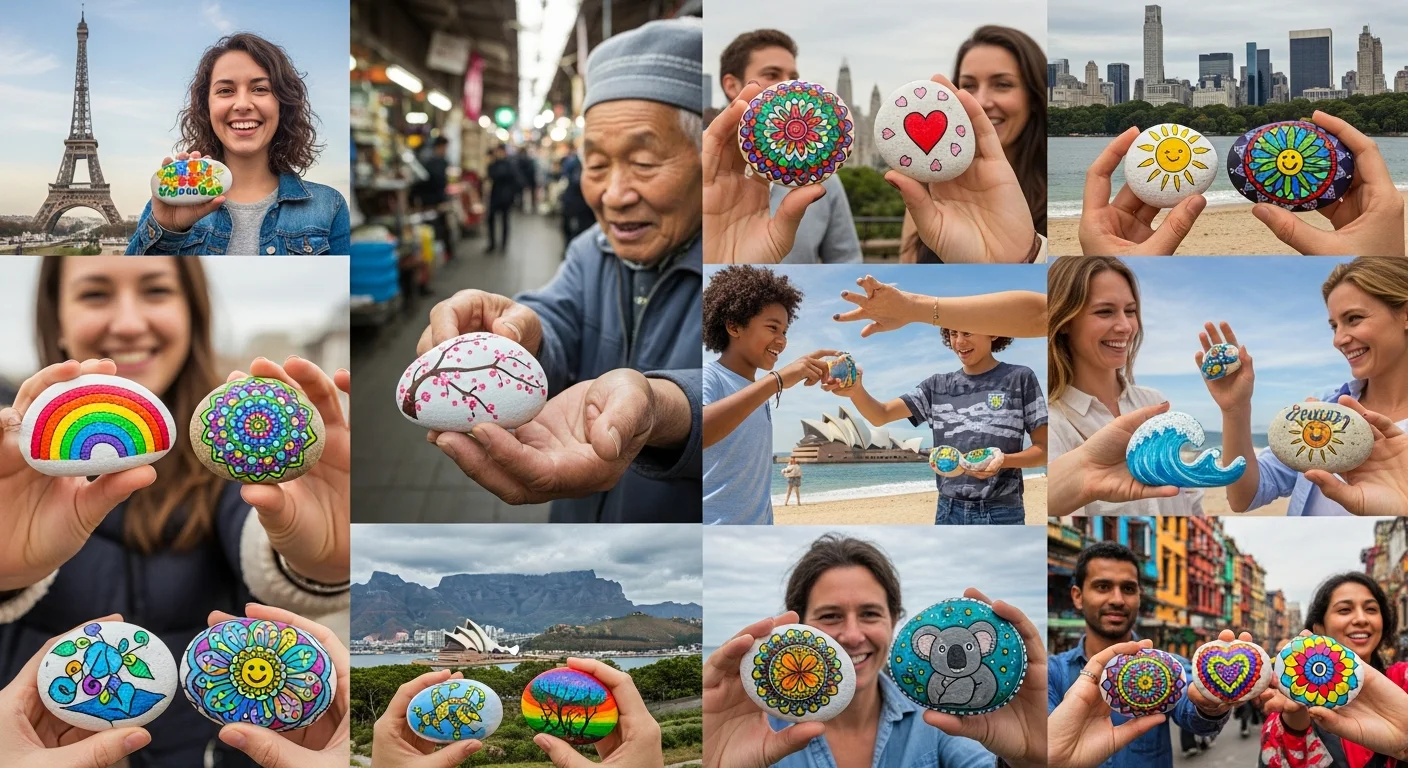
After the judging, register every competition entry on RoxGeo and release them all into the community as a post-competition rock hunt. This creates a second wave of excitement - participants compete to find the most competition rocks, and the entry creators receive notifications as their rocks travel. Share the social media collage of all entries online to generate interest. For more community event ideas see our community connections guide.

Frequently Asked Questions
How much does it cost to organise a rock painting competition?
A small community competition (20–50 entries) can run on a budget of £50–£200, covering prizes and venue if needed. Entry fees of £1–£2 per rock or £5 per participant can offset costs. Sponsorship from local art supply stores or businesses is worth pursuing - they benefit from the community goodwill and marketing exposure.
How do I handle disputes in judging?
Use a transparent scoring rubric shared in advance, with three independent judges. If a judge has a personal connection to a participant (family member, close friend), they should recuse themselves from that category. Announce all decisions as final and remind participants that judging involves subjective assessment.
Should competition rocks be signed on the back?
For anonymous judging categories, rocks should be numbered at registration rather than signed. After judging is complete, participants can add their name or initials and the RoxGeo code for the post-competition release. Maintain a master list linking registration numbers to participants for award notification.