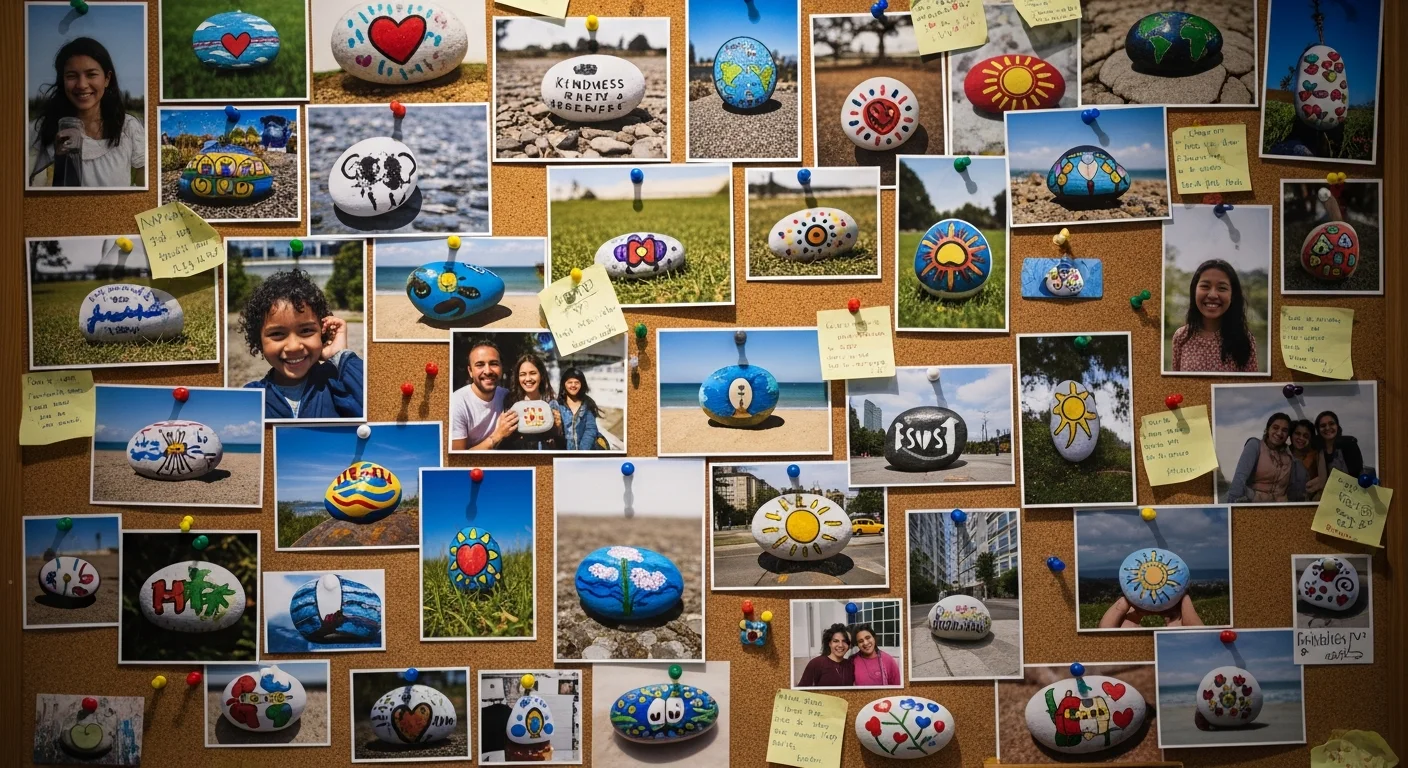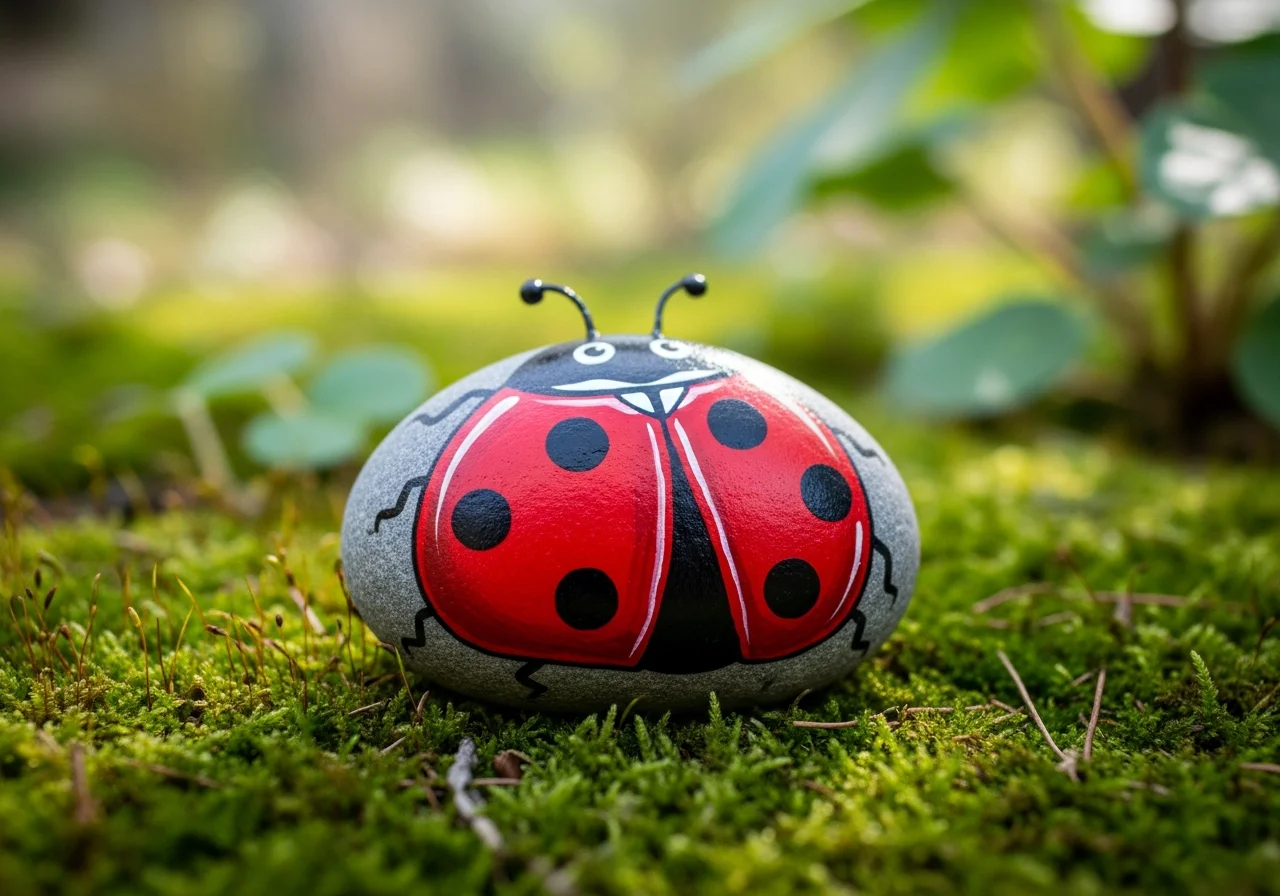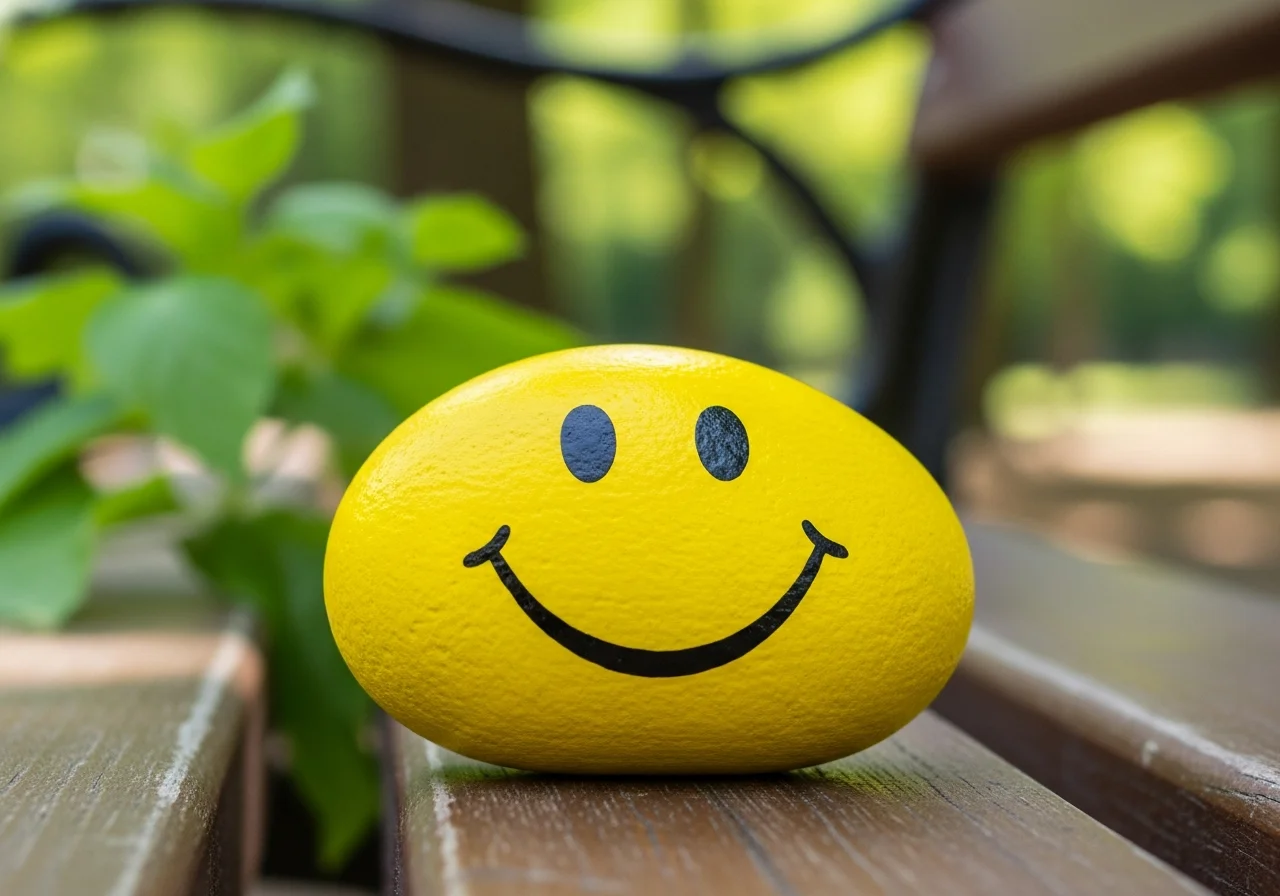

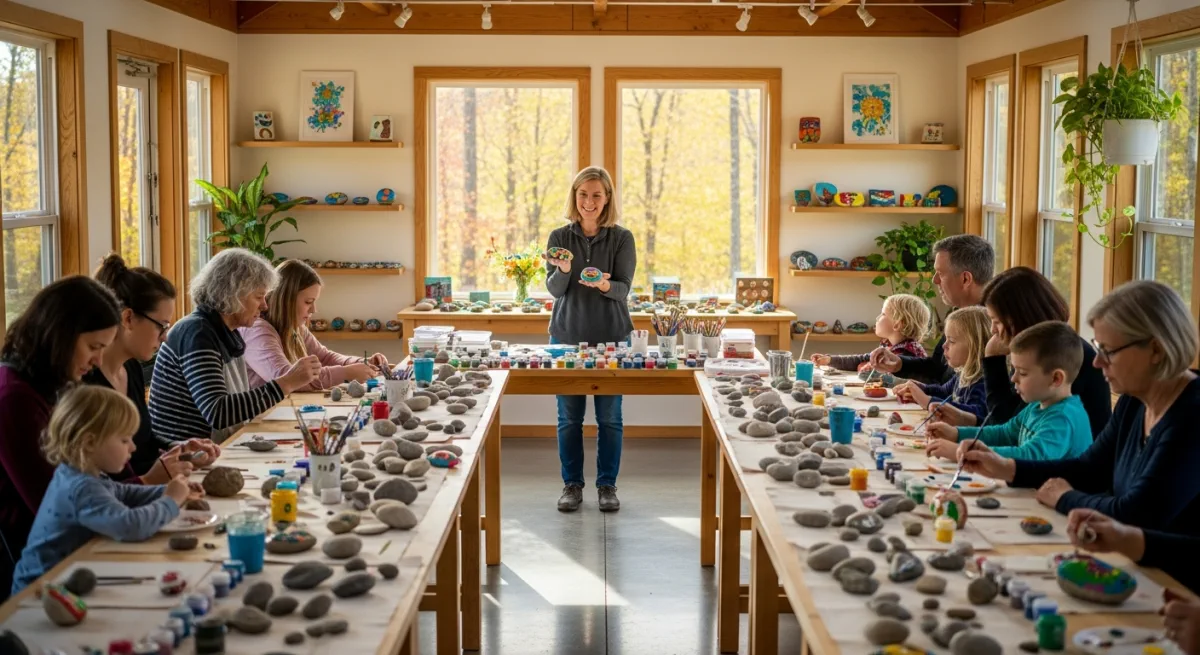
Running a rock painting workshop is one of the most rewarding community activities you can organise. It requires minimal artistic skill from participants, produces a beautiful tangible result in under two hours, and creates shared experiences that people talk about for months afterwards. Whether you are planning a school event, a corporate team-building afternoon, a birthday party activity or a community arts programme, this guide covers everything you need to know.
Why Rock Painting Works for Any Workshop
Rock painting is uniquely well-suited to workshop settings for several reasons:
- Accessible to all skill levels - There are no wrong choices in rock painting. A child's wobbly flower and an adult's detailed mandala are both valid and valued.
- Quick to learn, unlimited to explore - Participants can produce a pleasing result within 30 minutes, but the techniques reward months of practice.
- Tactile and calming - The physical act of painting a small stone is grounding and meditative, reducing stress in group settings.
- Meaningful takeaway - Participants leave with something they made themselves - a permanent reminder of the experience.

Planning and Logistics
Before the workshop, address these key logistical questions:
- Venue - You need tables with washable surfaces (or cover with newspaper), good lighting, access to water for brush cleaning, and room for participants to move freely.
- Duration - Plan for 1.5–2 hours. Shorter sessions feel rushed; longer sessions with beginners may lose momentum.
- Group size - Optimal is 10–25 participants for one facilitator. Above 25, bring a second helper.
- Age range - Rock painting works for ages 4 and above. Adapt techniques and tool choices to your age group.
Supply List and Setup
Per participant, you will need:
- 2–3 smooth, flat stones (pre-washed and dried)
- 6–8 colours of acrylic paint in shared pots
- 1 round brush (medium), 1 fine detail brush
- 1 small cup of water
- 1 paper plate as a palette
- Paper towels
- Instruction/inspiration sheet with 4–6 design options
For the whole group, have extra paint, spare rocks, finishing varnish or spray sealant (apply at the end, away from the painting area), and a selection of reference images displayed on a screen or printed on cards.
Your Workshop Activity Plan
Here is a tried-and-tested structure for a 90-minute rock painting workshop:
- 0–5 min: Welcome and introduction. Brief overview of what participants will create.
- 5–15 min: Materials explanation and safety briefing. Demonstrate how to clean brushes.
- 15–20 min: Demonstrate 2–3 basic techniques: dotting, simple animals, word painting.
- 20–70 min: Free painting time. Circulate, offer guidance, encourage and assist.
- 70–80 min: Begin wrapping up, start drying/sealing process.
- 80–90 min: Share finished rocks, photograph the group with their creations, brief closing discussion.

Teaching Techniques for Different Skill Levels
For beginners, introduce these three techniques in order:
- Base coat - Paint the whole rock in one colour. Simple and satisfying.
- Dot art - Use the end of a pencil or dotting tool to create patterns of coloured dots. No drawing skill required.
- Simple shapes - Hearts, stars, rainbows and flowers drawn freehand. Emphasise that imperfection is part of the charm.
For more confident participants, suggest mandala techniques, animal designs (see our animal rock painting guide), or landscape miniatures.
Pricing and Promotion
For paid public workshops, typical pricing is £12–25 per person, covering materials and facilitation. Community and school workshops are often grant-funded or supported by local arts organisations. Promote through:
- Local Facebook groups and community notice boards
- Library and community centre event calendars
- School newsletters and parent groups
- Local craft and hobby shops
Frequently Asked Questions
Do I need formal art teaching qualifications to run a rock painting workshop?
No formal qualifications are required. Enthusiasm, organisational skill and basic familiarity with acrylic painting techniques are sufficient. If working with children in an institutional setting, standard safeguarding checks and DBS/CRB equivalents (depending on your country) apply as for any activity involving children.
How do I handle participants who get frustrated with their results?
Normalise imperfection from the start. Mention it in your introduction: "There are no mistakes in rock painting - every rock ends up exactly right." If someone is genuinely struggling, offer a simpler design option and sit with them briefly. Most participants experience frustration turning into delight within minutes.